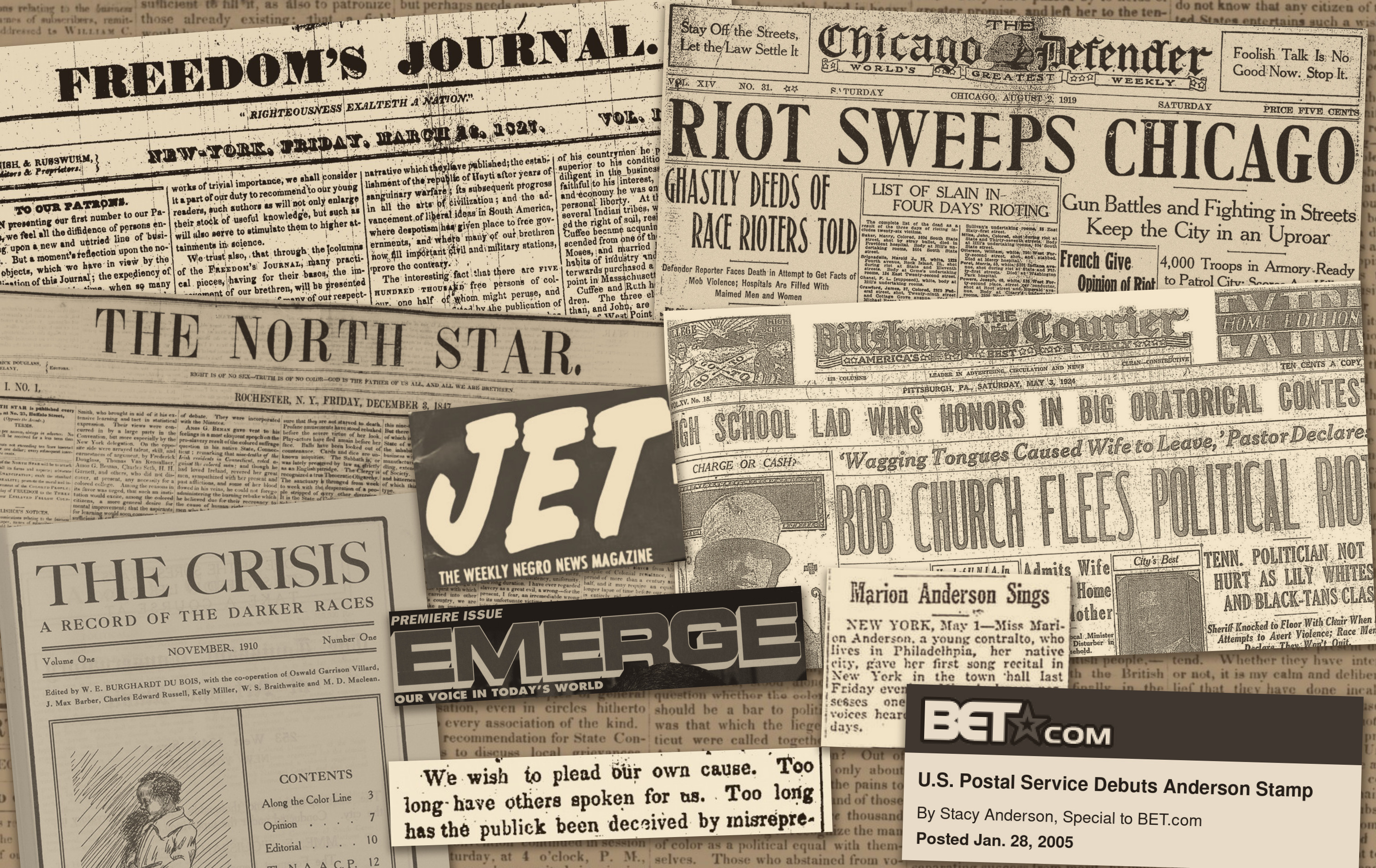
March 16, 1827
Freedom’s Journal
Front page · “To Our Patrons”


“We wish to plead our own cause. Too long have others spoken for us.”
Issue scan via Wikimedia Commons. Howard University holds a separate digitized copy.
We’ve been authors of America’s story since before it was America. We saw. We told. We wrote it down. This is where we keep it, so the ones after us will always know.
You found a piece of our story. Tell the next reader what it is and where it lives — the Ledger keeps the rest.
No link? Just start below — the form takes attic finds too.
In September 2026, decades of BET’s written journalism disappeared from the live web. Not burned, not banned — unplugged, a line item on somebody’s balance sheet after the ownership changed hands. Thousands of articles about our music, our politics, our people, gone from the address where the culture had learned to find them.
More than 186,000 of those articles still exist for one reason: somebody pressed save before the lights went out. The Internet Archive had been quietly keeping copies for years. That’s the whole lesson. Our record doesn’t survive on hope — it survives on hands.
It has always been this way. Freedom’s Journal is still here because somebody kept it. The North Star. The Crisis. Every page in the collage behind this one outlived the people who wanted it gone, or simply didn’t care. The Black press was founded to plead our own cause — keeping it is part of the cause.
So let’s say the quiet part plainly. When big media holds the only copy, our culture is one business decision away from deletion — one merger, one budget line, one “strategic shift.” The fix is not asking them to care. The fix is making our own repositories: our work living in the established houses — the Internet Archive, the Library of Congress, the HBCU collections — and in our own hands at the same time, so no one decision, anywhere, can erase us twice.
And it isn’t only companies. A friend of this ledger — a Harvard PhD, a writer all his life — died not long ago. His papers and books sat in a storage space, and when it was emptied, a lifetime of his thinking was scattered in a weekend. A stranger, going through what was sold, found his framed degrees and took the trouble to call his sister: can you believe someone threw these away? No one had written down what he made or where it lived — so there was no way to go looking. That’s what a record is for. Custody fails. Records survive.
So now we’re going back — and not just for BET. We’re going back for all of it: the JETs in the attic, the clippings in the dresser drawer, the programs in the church basement, the magazines in the storage unit, at your mama’s house, on the shelf in your old bedroom. Every piece that carried our experience, every page that proved we were here. We’re going to catalog it — what it is and where it lives — so the next reader can always find their way to it.
This page is where that starts. The Ledger is not the vault — I don’t hold the work, and nobody has to trust me with it. It’s the front door: it makes saving our journalism, our art, our creativity as easy as pressing a button, and it writes down where every copy lives so the next reader can find it. That is how collections begin — one record at a time, kept where they can’t be taken.
And here’s the part nobody counts on: there is no greater army for this than us. We are already on the internet — scrolling, sharing, laughing, remembering. All this asks is that while we’re there, we catalog as we go. See a story that mattered? Press the button. A profile of somebody’s grandmother, a review of an album that raised you, a piece from a paper that’s gone? Log it. It’s the easiest thing we will ever do for the culture — thirty seconds at a time, by millions of hands.
That’s how this grows: slowly, surely, record by record, until the Ledger is bigger than anybody’s delete key. And it never ends — not because the work is endless, but because we are. They can’t finish erasing what we never finish creating.
The Black Press Ledger is a working tool, not a memorial. It does three things:
Saves in public. Press the button and the copy goes to the Internet Archive’s Wayback Machine — made by you, witnessed by everyone.
Keeps a record people can use. Every entry says what the work is and where to find it — a link, a library, a shelf, a box in somebody’s attic.
Hands copies to the Keepers. The Ledger is built to be shared with the institutions preserving Black media, so no single archive is ever the only one.
Call it a movement if you want. We call it keeping our receipts — one record at a time, by whoever shows up. Which is how every movement has ever started.
Read about what happened — the record, kept where you can check it:
theGrio: “BET removed thousands of stories from its website — and to some, a piece of Black history with them”
The Internet Archive’s BET Article Explorer — 186,705 articles, 4,135 writers, 2000–2026
Library Journal infoDOCKET: Internet Archive releases the BET journalism archive
TheHub.news: “The BET Archives Are Gone. Who Controls Our History Now?”
Want the proof as it grows? Get Receipts, from the Black Press Ledger — our occasional newsletter.
— ARNICE · KEEPER OF THIS LEDGER
The Ledger is a list compiled by you. The best archivists are the millions of Black folks who scour the internet every day. When you spot a piece of our story, capture it here — quickly, cleanly — and push it to the Internet Archive’s Wayback Machine, where it’s stored forever. The Ledger keeps the record of every piece: who wrote it, where it lived, where the saved copy sits — so no quiet deletion can erase that it existed.
A saved copy nobody can find is as good as lost. The Wayback Machine is the vault; the Ledger is the book that says what’s in it and where to look. The Green Book never owned a single motel — it was a list, and the list was the power. This is that kind of list.
And this isn’t only about history. The story is still being written. Today’s article is tomorrow’s archive — so if you read something this morning that told our story true, capture it this morning. The Ledger grows the way the record has always grown: one notation at a time, every single day.
We’re starting with the written word. Articles, essays, newspapers, magazines, newsletters, blogs — that’s the first shelf. Art, photography, broadcast and more will get shelves of their own as the Ledger grows — and you can tell the Keeper what we should keep next.
You find the work — online, or in the attic.
The copy goes to the established houses. Online work: your press of the button sends it to the Internet Archive’s Wayback Machine — they hold the copy, not us. Physical work: your record names the library, shelf or box that holds it.
The record comes to the Ledger. What it is, where every copy lives, why it matters. The Keeper reviews it; verified records carry a badge showing exactly what was checked. This catalog of records is our own collection — ours to keep, to copy, and to hand out.
The Ledger travels. The record set is built to be shared with the institutions preserving Black media — so the map, like the work itself, lives in many hands.
Your files. Your family’s personal papers — letters and photos belong with archives built for them, and the Keeper will gladly point you to one. And the contact information of anyone who submits.
It arrives privately. The Keeper reviews it — verified and published, or declined. An owner can request removal at any time; approved removals come off our catalog promptly. Copies already in the Internet Archive follow the Archive’s own policies.
The Keeper is Arnice — a writer and communications strategist. She has spent her career as the voice behind executives — shaping how institutions speak — and as an analyst on application development teams, now building AI solutions. She knows how records get made, and how they disappear. As Keeper of The Black Press Ledger, she reviews every record and helps readers find the work.
She believes the record of a people should never live in one company’s hands — hers included. That’s why the Ledger keeps records, not custody: every copy it points to lives where no single decision can erase it.
Press, partnerships, archives and removals: write the Keeper.
“We are born storytellers. Our story should be captured for generations to come.”
Approve institutional reviewers after confirming their affiliation. A reviewer role grants editorial permissions within the Ledger’s existing site access.
We practiced what we preach on our own background: every clipping in the collage has already been captured. Eight publications, with the dates, the words they published and a way back to each original — each one a record, exactly the kind this ledger keeps.
Download the collageIn 1924, the Pittsburgh Courier covered a young contralto singing at New York’s Town Hall. In 2005, BET.com reported on the U.S. postage stamp honoring her. Those two clippings sit together in the collage.
Front page · “To Our Patrons”
“We wish to plead our own cause. Too long have others spoken for us.”
Issue scan via Wikimedia Commons. Howard University holds a separate digitized copy.
Front page · masthead motto

“RIGHT IS OF NO SEX—TRUTH IS OF NO COLOR”
Library of Congress, Serial and Government Publications Division. The small columns behind the collage also come from this page.
Cover · volume 1, number 1
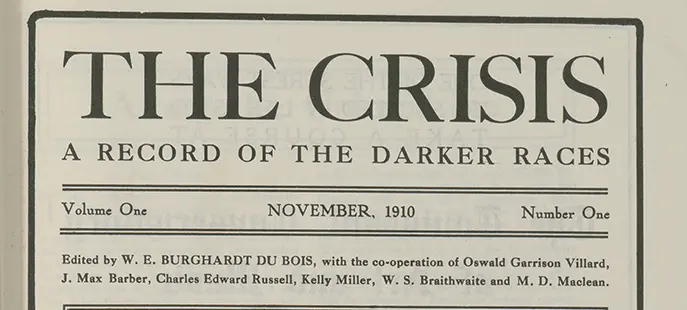
“A RECORD OF THE DARKER RACES”
Library of Congress, General Collections, courtesy of the NAACP. Digital ID na0026.
Front page · headline
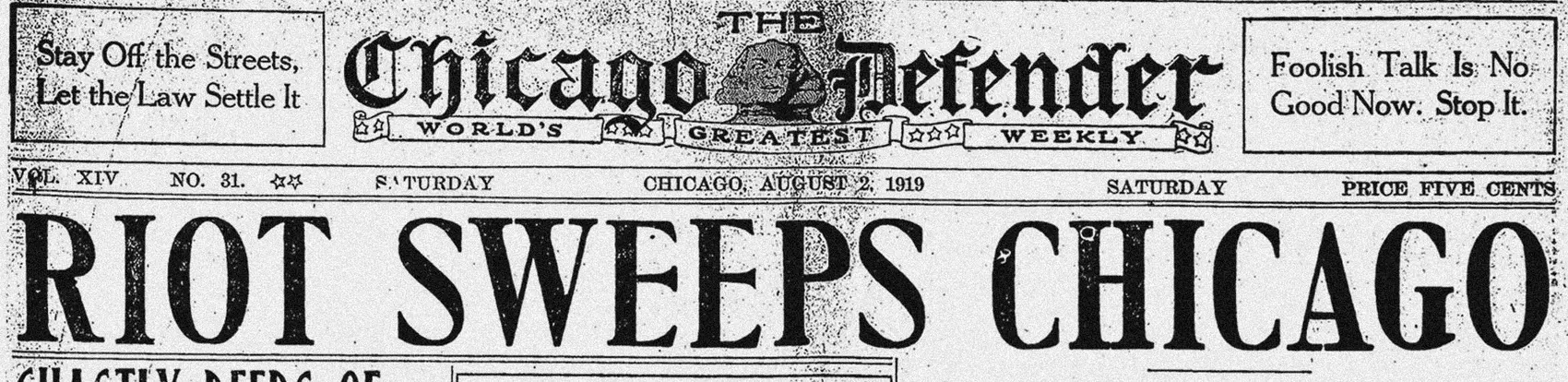
“RIOT SWEEPS CHICAGO”
Front-page image from the Chicago Race Riot of 1919 Commemoration Project.
Front page · concert notice
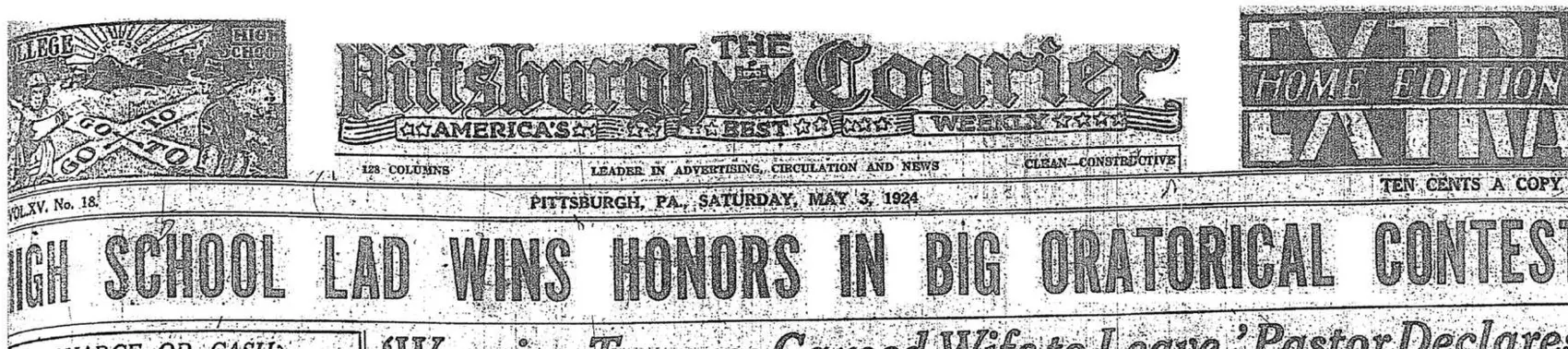
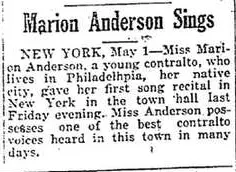
“Marion Anderson Sings”
Dangerous Press, digitized front page. The paper spelled Marian Anderson’s first name “Marion” in both the headline and the notice.
Cover · masthead and subtitle
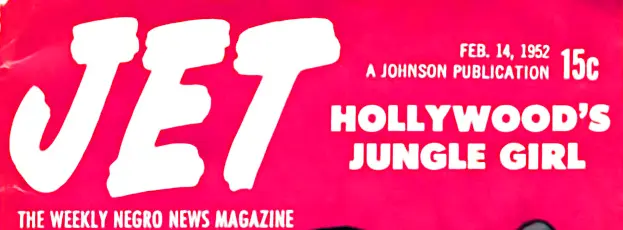
“THE WEEKLY NEGRO NEWS MAGAZINE”
Johnson Publishing Company. Cover scan via Wikimedia Commons.
Premiere issue · cover and Ed Bradley cover line
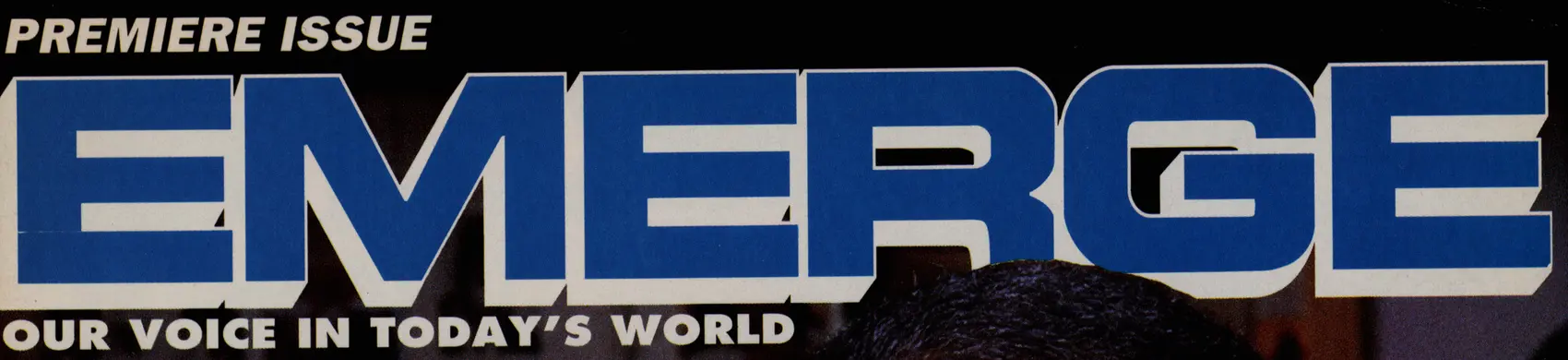
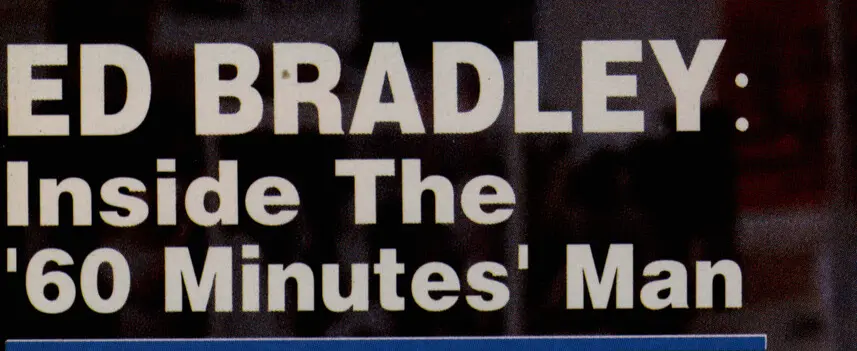
“OUR VOICE IN TODAY’S WORLD”
Courtesy of Special Collections and Rare Books, University of Missouri Libraries.
Stacy Anderson · BET.com news

“U.S. Postal Service Debuts Anderson Stamp”
Web fragment assembled from the original BET.com masthead and the headline, byline and date transcribed from the archived HTML. The article was captured February 8, 2005. The surviving copy of its logo file is dated April 8, 2005.
Every piece the community has flagged and recorded — so far.
No records match these filters.